
As we step into 2025, the design world is experiencing a transformative shift. From architecture to interior design, the trends of this year are redefining how we approach spaces, blending technology, sustainability, and human-centric design. Let’s explore these key trends and their potential impact on the future of the industry.
- AI-Driven Designs
Artificial Intelligence (AI) is revolutionizing the design industry, enabling designers to create structures and spaces that were once beyond imagination. AI tools analyze and visualize building aspects, crafting adaptive and flexible designs. This trend not only enhances creativity but also improves efficiency and accuracy in design processes. In the future, AI-driven designs will continue to push the boundaries of innovation, making design more accessible and personalized.
- Sustainable and Eco-Friendly Materials
Sustainability is not just a trend; it’s a guiding principle for modern design. In 2025, eco-friendly materials and sustainable practices are at the forefront. Designers prioritize low-impact production, intelligent material recycling, and the use of locally sourced materials to create climate-resilient structures. This shift towards sustainability is crucial for reducing the environmental footprint of the design industry. In the coming years, the industry will see a stronger emphasis on circular design principles, ensuring materials are reused and repurposed, leading to a more sustainable future.
- People-Centric Design
Human experience is paramount in 2025. Whether it’s workplace design, retail spaces, or mixed-use developments, the focus is on creating environments that enhance well-being, social interaction, and overall experience. This trend drives the design of inclusive and functional spaces that reflect community aspirations and cultural values. Moving forward, people-centric design will continue to shape the industry, fostering a greater connection between people and their environments, and promoting mental and physical well-being.
- Bold and Saturated Colors
2025 is all about vibrant and striking color combinations. Designers embrace bold contrasts and dynamic chromatic pairings to transform spaces. From luminous green and bright orange to earthy tones like desert terracotta and honey yellow, color is used as a dynamic and expressive element. This trend adds personality and energy to designs, and in the future, bold colors will continue to play a significant role in creating visually engaging and memorable spaces.
- Reflective Surfaces and High-Gloss Finishes
Reflective surfaces and high-gloss finishes are making a comeback in 2025. These elements add a touch of luxury and sophistication to interiors, creating visually stunning spaces that play with light and reflections. This trend creates depth and elegance, and as technology advances, we can expect even more innovative uses of reflective materials to enhance design aesthetics.
- Biophilic Designs
Biophilic design, which emphasizes the connection between humans and nature, is gaining traction. Incorporating natural elements, such as plants and natural light, into design not only enhances aesthetics but also improves the well-being of occupants. This trend promotes sustainability by integrating green spaces and reducing the need for artificial lighting and climate control. In the future, biophilic design will become a standard practice, contributing to healthier and more sustainable living and working environments.
- Adaptive Reuse and Retrofitting
With a growing focus on sustainability, adaptive reuse and retrofitting are essential design strategies. Designers repurpose existing structures to meet contemporary needs, reducing waste and preserving historical and cultural heritage. This approach is environmentally friendly and economically viable. In the coming years, the design industry will increasingly adopt these practices, leading to more sustainable and resilient urban landscapes.
- Curved Furniture and Soft Lines
In 2025, curved furniture and soft lines are taking over interior design. These elements create a cozy and inviting ambiance, breaking away from the rigid and angular designs of the past. Curved furniture adds elegance and comfort to any space. As designers continue to explore organic forms, we can expect this trend to evolve, offering new ways to create harmonious and inviting interiors.
- Mixed Metals
Mixing metals is the new standard for sophistication in 2025. Designers combine different metal finishes to create visually appealing and unique spaces. This trend adds complexity and richness to interiors, making them stand out. In the future, mixed metals will continue to be a hallmark of modern design, offering endless possibilities for creativity and innovation.
- Community-Centered Designs
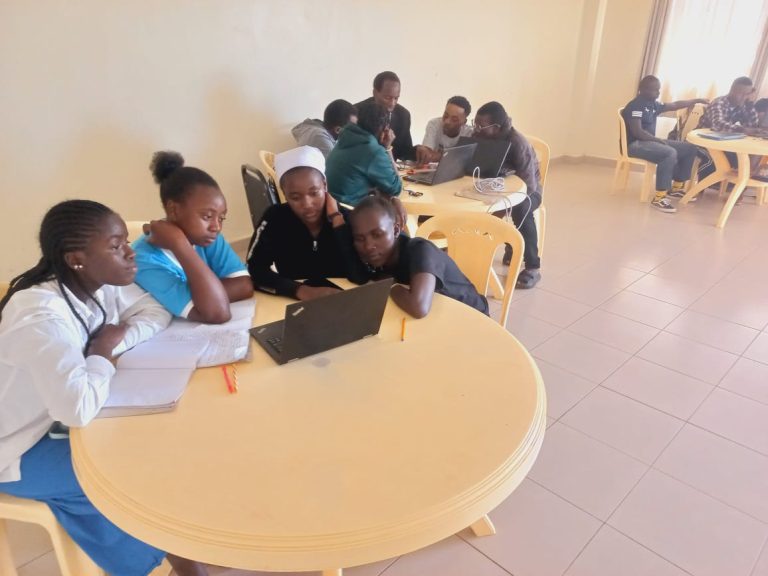
Designs that foster community and social interaction are on the rise. From co-working spaces to community-centered residential projects, the focus is on creating environments that bring people together. These designs reflect the aspirations and cultural values of the communities they serve. As the world becomes more interconnected, community-centered designs will play a crucial role in promoting social cohesion and sustainable urban development.
As we navigate through 2025, these design trends are shaping the aesthetics of our spaces and redefining how we live, work, and interact with our environments. Embracing these trends will ensure that we create spaces that are beautiful, sustainable, functional, and human-centric, paving the way for a brighter and more sustainable future for the design industry.
How do you think these trends will resonate with the industry? Any particular trend that excites you the most?